S
Sagar HebbalePublished on April 15, 2026
19 min read
Fintech Software Development: Key Regulations and Best Practices
A comprehensive guide to building compliant fintech software with robust architecture.
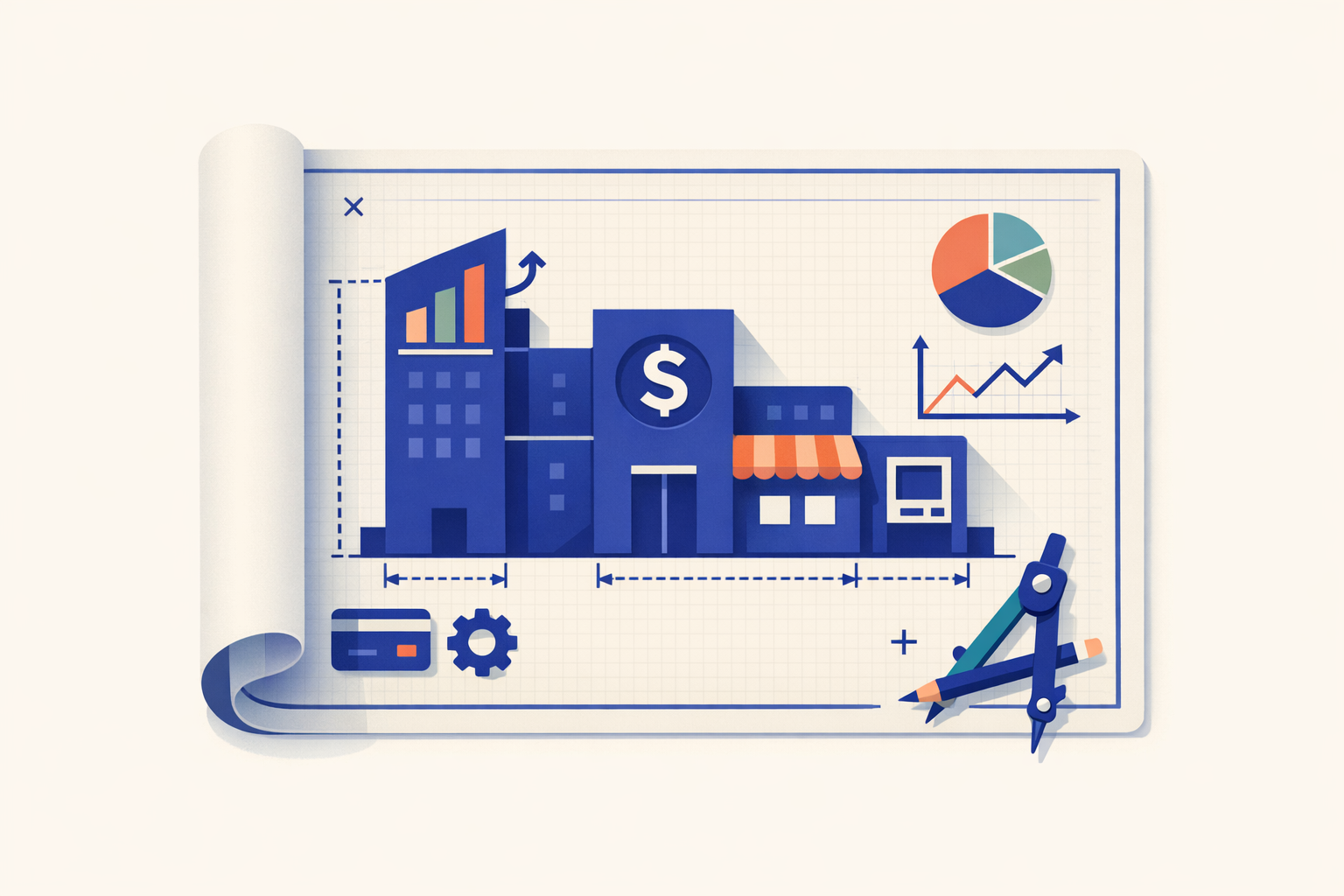
A comprehensive guide to building compliant fintech software with robust architecture.
Architectural blueprint symbolizing FinTech software development
Financial technology, commonly referred to as FinTech, has experienced a significant transformation over the past decade. At the core of this transformation is Fintech Software Development. This process encompasses the creation of digital banking applications that facilitate payments, investments, and comprehensive management of financial affairs for users. However, developing such software is not without its challenges; it demands a thorough understanding and implementation of regulations, a strong focus on security, and the design of resilient Financial Software Architecture.
Understanding and adhering to financial regulations, known as Fintech Compliance, is a pivotal and foundational aspect of Fintech software development. For example, in the European Union, compliance with guidelines such as:
is mandatory. These regulations ensure legal and transparent operations, thereby enhancing the software's credibility in the marketplace.
Another fundamental principle of Fintech app development is the implementation of stringent security measures. As data has become a valuable asset in today’s world, financial applications face increasing threats from cybercriminals. Therefore, robust security protocols are essential. The following best practices can significantly enhance security:
At the nucleus of every fintech application is its robust financial software architecture. By incorporating advanced technologies such as microservices, developers can ensure the software's flexibility and resilience. This architectural approach enables the software to handle a multitude of operations simultaneously, thereby preventing system overload during peak usage.
In summary, Fintech Software Development is a complex domain that necessitates careful navigation through critical elements such as compliance, security, and sound architecture. While the journey to building a competitive FinTech software product is challenging, it ultimately leads to the development of user-centric solutions that cater to the evolving needs of today’s digital-savvy consumers.
For further insights and details, visit the blog titled "Building FinTech Software: Regulations, Architecture & Best Practices" on /software-development-fintech. If you are seeking professional services for custom software solutions, explore /services/custom-software-development to ensure your FinTech software is compliance-ready, secure, and resilient.
Here are answers to three commonly asked questions:
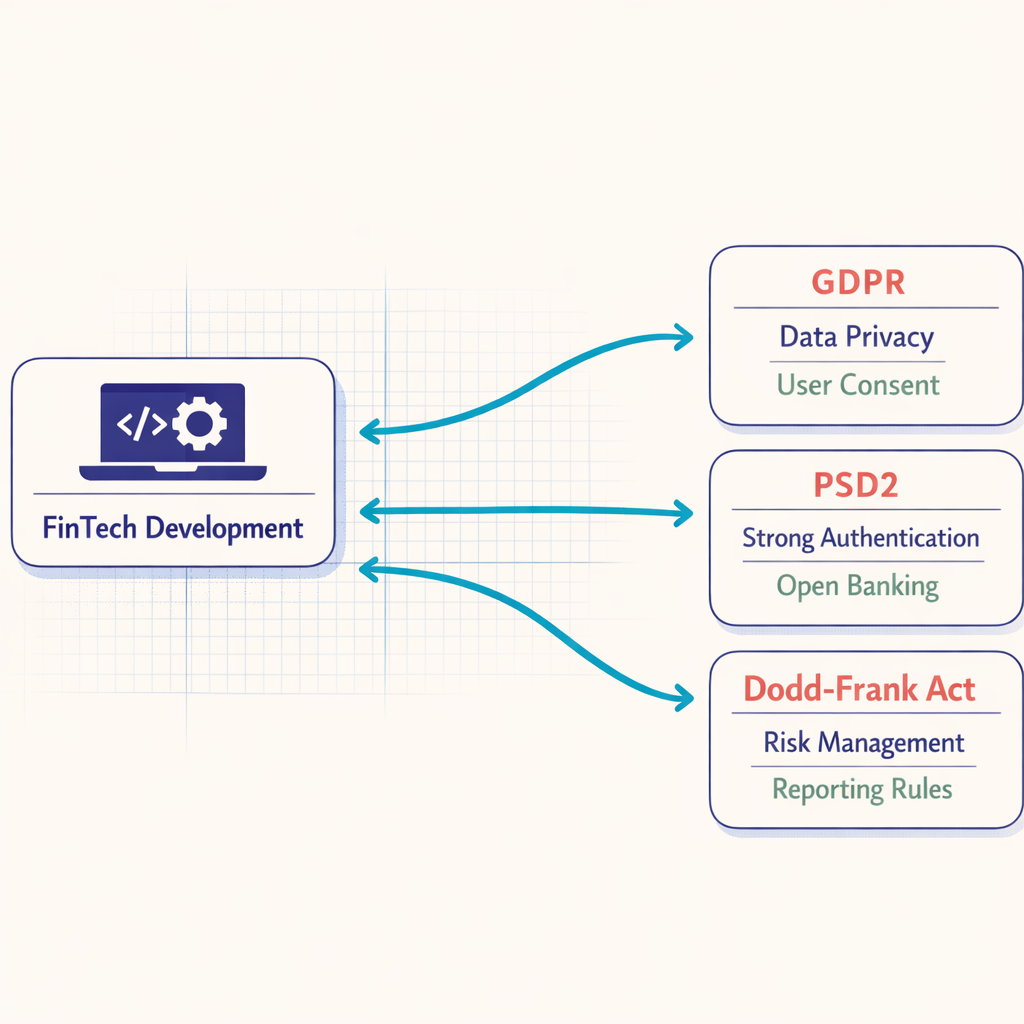 Compliance regulations diagram related to FinTech software development
Navigating compliance regulations in the dynamic landscape of Fintech Software Development may initially seem daunting, especially with the ever-evolving rules and guidelines that companies must follow. However, grasping these regulatory frameworks will not only enable you to build a compliant FinTech app confidently but also lay the foundation for a robust financial software architecture.
One of the first crucial regulations to include in your Fintech compliance checklist is the General Data Protection Regulation (GDPR). The GDPR outlines a comprehensive framework for data privacy that every financial software must adhere to in order to operate within the European Union. Non-compliance can lead to significant fines for companies.
Next is the Payment Services Directive 2 (PSD2), another crucial EU regulation for Fintech app development. PSD2 encourages innovation, fosters competition, and enhances customer rights in the payments landscape. Compliance with this directive promotes seamless payment integration within your FinTech application.
In the United States, the Dodd-Frank Wall Street Reform and Consumer Protection Act (Dodd-Frank Act) and the Bank Secrecy Act are fundamental in shaping the FinTech landscape. The Dodd-Frank Act aims to enhance accountability and transparency in the financial system, ultimately fostering financial stability.
To enhance your understanding, here are some key aspects and frequently asked questions related to Fintech compliance and regulations.
Why is Fintech compliance significant for my business?
Providing a solution that adheres to legal guidelines and regulations significantly boosts credibility in the marketplace and minimizes potential legal issues down the line.
How frequently should I review these regulations?
Given the dynamic nature of laws and regulations related to Fintech, it is advisable to conduct regular reviews to ensure ongoing compliance.
What consequences could non-compliance have on my business?
Non-compliance with either local or international regulations can result in substantial fines, potential legal proceedings, and a loss of customer trust.
Navigating these regulations and building a compliant FinTech application is a process, but we are here to assist you. Let’s talk [/contact?industry=fintech](/contact?industry=fintech).
In today's digital era, where data is often referred to as the new oil, ensuring its security is paramount, particularly in the realm of Fintech Software Development. Fintech applications, which are rich in sensitive financial information, are prime targets for cybercriminals. This reality makes the necessity for top-tier Fintech security non-negotiable, as it fortifies the financial software architecture against potential threats.
Securing a Fintech platform presents several challenges, but it is achievable with the right strategies:
| Security Measure | Description |
|---|---|
| Encryption | Encrypting data—whether at rest or in transit—serves as the first line of defense. This ensures that even if data is intercepted, it remains unintelligible to unauthorized parties. |
| Regular Audits | Conduct regular vulnerability assessments and penetration testing. Stay informed about the latest exploits and patch vulnerabilities promptly. |
| Data Management | Implement best practices for data management, including pseudonymization, anonymization, and segregation. |
| Multi-factor Authentication | Enhance password protection with multi-factor authentication, adding an additional layer of security. |
Maintaining a robust security protocol is not a one-time task; it requires constant vigilance, timely updates, and adaptability to the rapidly evolving cyber threat landscape.
While safeguarding data from cyber threats is crucial, it is equally important to align these efforts with FinTech compliance regulations. Regulations such as GDPR, PSD2, and the Bank Secrecy Act impose specific security baselines. Aligning Fintech security procedures with these regulations not only enhances the credibility of the software in the marketplace but also fosters consumer trust.
In conclusion, Fintech security is an integral aspect of Fintech app development. Protecting customers' valuable data should be a top priority—not only because it is legally required, but also because it is ethically responsible and commercially advantageous. This unwavering commitment to security builds trust and strengthens user loyalty. Contact Us.
Protecting Fintech platforms is not merely an IT challenge; it is a business imperative that significantly contributes to the success and integrity of the organization. The reputation and viability of a Fintech firm depend on its ability to secure its digital vaults effectively.
Navigating the complexities of fintech compliance and ensuring top-notch security are critical for successful fintech software development. However, these efforts would be in vain without a robust financial software architecture.
The architectural framework that underpins fintech development is of great significance. It defines how various components of the fintech application interact with one another and the external environment. This architecture serves as a blueprint for system functionality and aids in managing regulatory, risk, and security concerns.
In essence, financial software architecture provides a comprehensive view of the application, outlining its major components, their interrelationships, and the rules governing their interactions.
Efficiency and resilience are essential features of an ideal fintech application. To achieve these qualities, fintech companies are increasingly adopting microservices—an architectural style that structures an application as a collection of loosely coupled, independently deployable services. A microservice-based architecture offers several advantages:
| Advantage | Description |
|---|---|
| Isolated Failures | A failure in a single component will not compromise the entire system. |
| Scalability | Individual components can be scaled up or down based on demand. |
| Technological Diversity | Each component can be developed using the most suitable technology for its specific requirements. |
Risk management is an intrinsic aspect of fintech software development; understanding potential risks is crucial for designing a resilient architecture. Key considerations include:
A strong, flexible financial software architecture serves as the backbone of any successful fintech application development project. It facilitates seamless integration and interaction among various components while ensuring scalability, resilience, and effective risk management, thereby propelling fintech companies toward success in the competitive financial sector.
For a comprehensive guide on fintech software development, be sure to check out our complete guide here. If you require assistance in building a fintech application that complies with regulations, offers high-level security, and features a sturdy architecture, reach out to our expert team here.
Why is Financial Software Architecture important in Fintech development?
The architecture provides a blueprint for system functionality and aids in managing regulatory, risk, and security concerns.
What is Microservices Architecture, and why is it preferred in Fintech software development?
Microservices architecture structures an application as a collection of loosely coupled, independently deployable services, promoting efficiency, resilience, and technological diversity.
What role does risk management play in Financial Software Architecture?
Risk management identifies and designs strategies to avoid or minimize operational and security risks, ensuring a robust and secure financial software architecture.
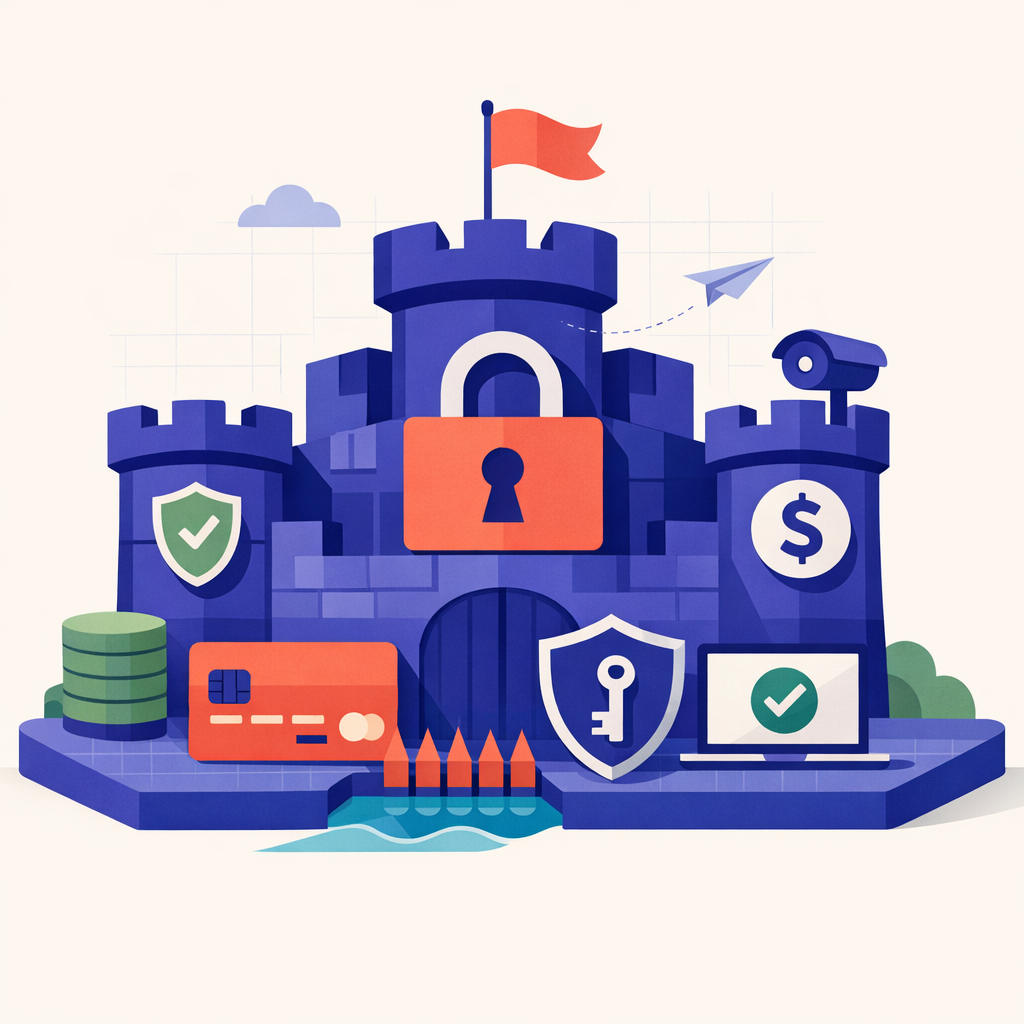 Abstract representation of security in FinTech software development
When building a fintech app, seamless payments are essential. However, integrating payment systems presents one of the industry's most significant challenges. Fintech companies often need to connect with third-party payment gateways or create their own payment systems—a process that can be complicated and fraught with regulatory hurdles.
The payments integration challenge arises from various factors, including the need to support multiple payment methods (credit/debit cards, digital wallets, bank transfers, etc.), handle international transactions, and manage the security concerns associated with payments. Ensuring compliance while addressing these complexities is often a daunting task for developers.
To tackle the payments integration challenges in fintech software, it is essential to:
"Fintech scalability" is more than just a buzzword—it's a critical concern when your system must accommodate increasing transaction volumes while maintaining performance. The capacity of your software architecture to grow and adapt to these demands will ultimately determine your application's success in the highly competitive fintech market.
The significance of scalability in fintech software development cannot be overstated:
At the intersection of payments integration and scalability lies a well-designed financial software architecture—one that can flexibly manage the core components of fintech products such as automated advisory systems, lending platforms, insurance technology, and payments solutions.
The key to overcoming scalability challenges and integration issues lies in effective planning of your software architecture during the fintech app development process.
Planning to build a fintech app? Ensure your software complies with all regulations and is designed for scalability. Learn more about our custom software development services here.
Have questions? Reach out to our experts at /contact?industry=fintech.
Risk management is a fundamental component of FinTech software development. Effectively managing FinTech risks enables organizations to proactively address potential challenges, significantly enhancing the overall success of their products.
In the context of FinTech, risk can encompass various dimensions:
| Type of Risk | Description |
|---|---|
| Regulatory risk | Compliance with local and international laws and regulations is essential for FinTech app development. |
| Security risk | Cyber threats and data breaches represent significant challenges, necessitating robust security measures. |
| Architectural risk | A stable financial software architecture is crucial for ensuring resiliency and reliability. |
| Scalability risk | To support sustainable growth, your software must effectively handle increased workloads, users, and transaction volumes. |
To manage these risks effectively, adopt a systematic, step-by-step approach:
By implementing a thorough risk management approach, you significantly enhance the prospects of successful FinTech software development while ensuring compliance, security, and scalable architecture.
Why is risk management important in FinTech software development?
Risk management enables organizations to anticipate potential pitfalls and implement preventive measures, ensuring the reliability and integrity of their software.
What are the types of risks involved in FinTech?
Key risks in FinTech include regulatory, security, architectural, and scalability risks. Each of these can affect the product's viability and success if not adequately addressed.
How can we mitigate these risks?
Start by identifying potential risks at the project's inception, prioritize them based on their impact, and develop risk control strategies for each identified risk. Consistent monitoring and reviewing of the project are essential for effective risk mitigation.
With a strong understanding and approach to risk management, you are better equipped for success in FinTech software development. If you are seeking expert guidance or a trustworthy partner for building your FinTech product, do not hesitate to contact us: /contact?industry=fintech.
Creating a top-tier FinTech application is no small feat; it requires methodical planning, strategic design, and a strict adherence to best practices. The roadmap to successful FinTech software encompasses several critical elements, including:
Regulatory compliance serves as the foundation for FinTech software development. Adhering to regulations such as GDPR and PSD2 in Europe, as well as the Dodd-Frank Act and Bank Secrecy Act in the United States, is essential for establishing credibility in the marketplace. Engaging legal expertise is critical for navigating local and international regulations, ensuring comprehensive FinTech compliance.
In an era where data breaches and cybersecurity threats are prevalent, implementing robust security measures in FinTech software is imperative. Incorporating features such as:
creates a formidable defense against potential cyber threats. A rigorous testing regimen to identify and rectify vulnerabilities ensures that the application remains secure.
The architectural design of an application is crucial for the success of FinTech software development. Opting for a microservices architecture can enhance scalability, increase robustness, and improve system resilience.
Seamless payment integration is central to crafting a feature-rich FinTech application. This involves either integrating with third-party payment gateways or developing customized payment systems that comply with regulatory requirements while maximizing convenience for end-users.
A successful FinTech application must be equipped to accommodate expanding operations and an increasing user base. Strategically planning for scalability ensures that the application's capabilities can grow while maintaining optimal performance.
Effective risk management is a cornerstone of every successful FinTech application. Diligent strategies help mitigate legal, cyber, financial, and operational risks associated with FinTech app development.
In conclusion, building successful FinTech software is a dynamic process that demands diligence, precision, and adaptability. By implementing these strategies, you can pave a clear path to success.
Are you ready to develop your next FinTech solution? Get in touch with us.
In this section, we will address some of the most common questions that beginners in Fintech software development often ask. These inquiries stem from the wide range of topics covered in our comprehensive guide on building a successful fintech application.
Regulations are vital to Fintech software development as they establish a legal framework that ensures credibility and trust in the marketplace. For example, the General Data Protection Regulation (GDPR) in Europe mandates the proper handling of user data. Compliance with regulations like GDPR is not optional; non-compliance can result in severe penalties. Furthermore, businesses that adhere to these regulations are perceived as more trustworthy and reliable by users, potentially giving them a competitive edge.
A sound software architecture can determine the success or failure of any software, and Fintech applications are no exception. A resilient and scalable structure enables your app to efficiently manage numerous transactions, ensuring users experience a smooth and seamless interaction. Employing architectural patterns such as microservices can also enhance your application’s versatility and resilience to change, providing a solid foundation for incorporating new features and scaling the product as the business evolves.
High-level security is essential, given the sensitive nature of financial data managed in Fintech applications. Implementing enhanced security measures such as:
can significantly mitigate the risk of breaches. Additionally, effective data management practices ensure that even in the unfortunate event of a breach, the impact is minimized.
Navigating Fintech software development requires understanding a complex landscape filled with challenges and regulations. However, by grasping the fundamental elements of regulations, architecture, and security, you are positioning yourself for success.
Still have questions or need more information on Fintech software development? Feel free to contact us for personalized advice and solutions on implementing the best practices for your Fintech application.
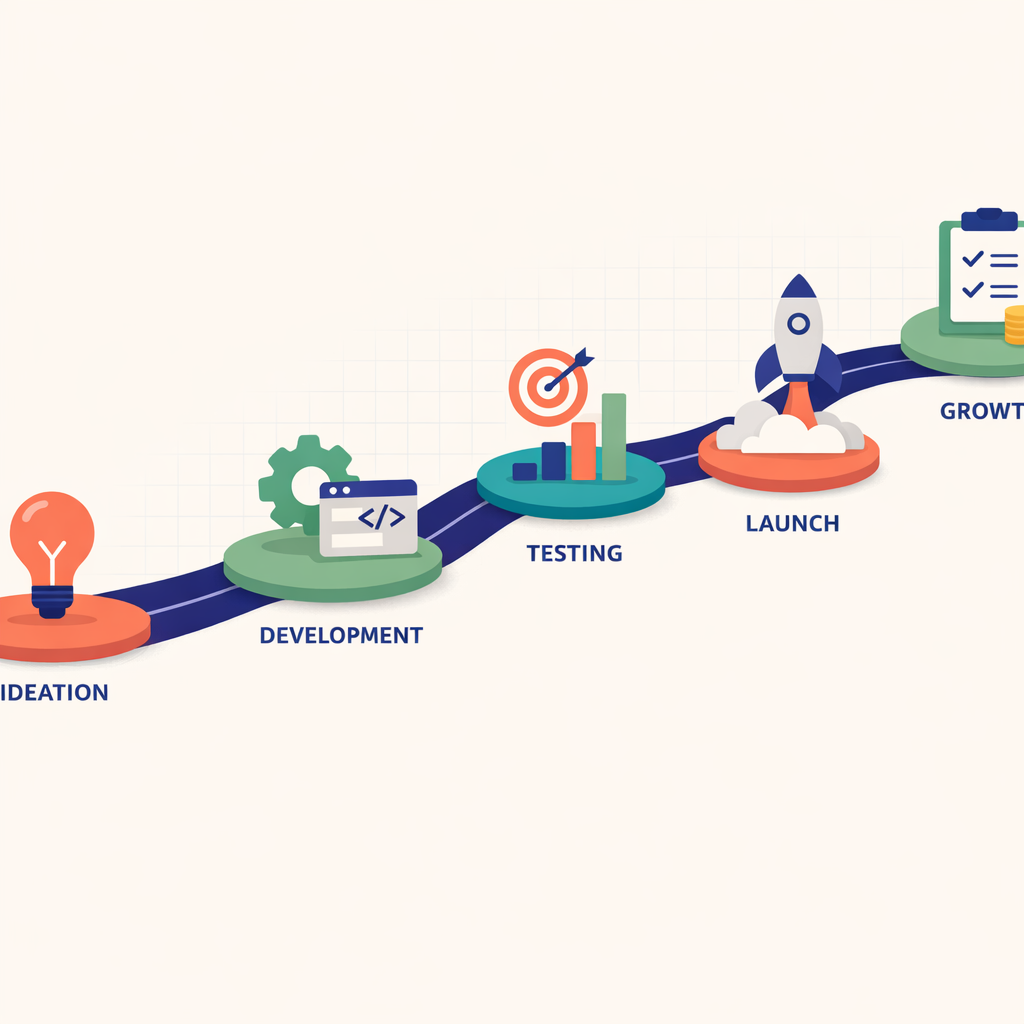 Stylized roadmap of FinTech software development journey
Building a fintech application is a complex process that requires thorough planning, strategic design, and strict compliance. From regulations and security to architecture and payments, every aspect of fintech software development demands expertise and meticulous attention to detail. As we've discussed, adhering to fintech compliance, creating a secure software architecture, and integrating seamless payment solutions are essential components for the success of your fintech application.
The significance of understanding and following regulations such as the GDPR, PSD2 in Europe, and the Dodd-Frank Act or the Bank Secrecy Act in the United States cannot be overstated. These regulations not only provide a legal framework for developing your fintech software but also enhance its credibility in the marketplace.
The security of fintech applications is frequently tested due to the sensitive financial data they handle. Implementing robust preventive measures, such as:
is essential; these measures are no longer optional—they are a necessity.
Moreover, a resilient and adaptable architecture forms the foundation of successful fintech app development. Adopting architectural practices such as microservices can ensure a high-performing and scalable application.
We understand that the intricacies of building a fintech application can be daunting. Fortunately, our team of experts is here to guide you on your journey. Reach out to us at /contact?industry=fintech for comprehensive and hands-on assistance in your fintech software development endeavor.
Remember, in fintech software development,